Ilford street closure rules impact on removals jobs
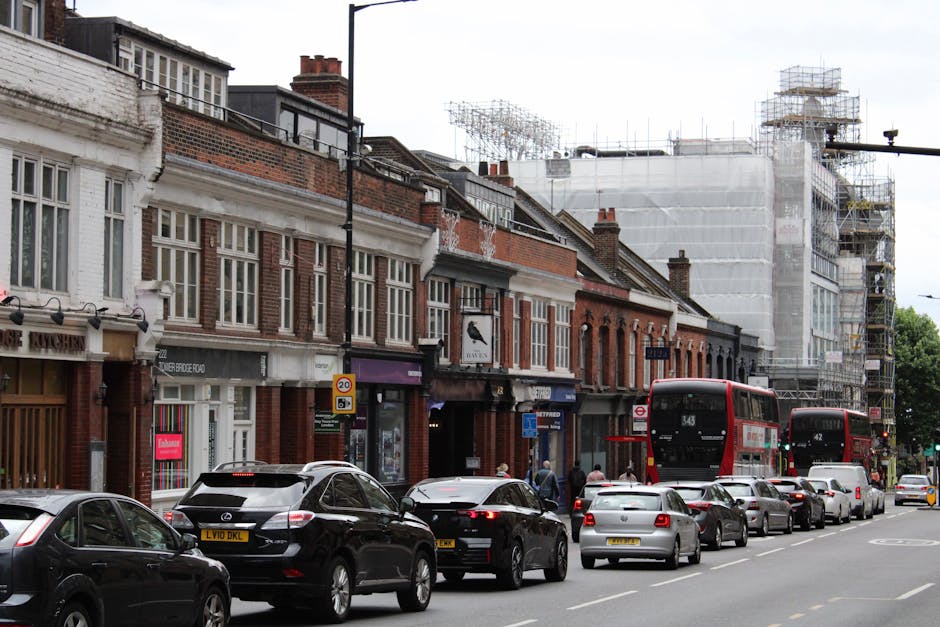
If you have ever tried to organise a house move on a tight London street, you will know the feeling: one van arrives, a loading bay is blocked, traffic is crawling, and someone is pointing at a temporary closure sign you did not expect. The Ilford street closure rules impact on removals jobs in a very real way, because access, timing, parking, and vehicle size can all change the shape of a move. A job that looks simple on paper can become a bit of a puzzle once roadworks, event closures, diversion routes, or permit restrictions enter the picture. This guide breaks it all down in plain English, so you can plan better, avoid last-minute stress, and make the move feel far less chaotic.
For local domestic and business moves, planning matters just as much as lifting and loading. If you are arranging a home move, an office move, or even a single-item collection, it helps to understand how street closures can affect vehicle access, crew scheduling, and the overall removal cost. And yes, it can save you from that awkward moment when a van is parked three streets away and you are carrying boxes in the drizzle. Not ideal.
Table of Contents
- Why street closure rules matter for removals in Ilford
- How street closure rules affect a removals job
- Key benefits of planning around closures early
- Who needs to think about this most
- Step-by-step guidance for a smoother move
- Expert tips from the removal side
- Common mistakes to avoid
- Tools, resources and practical recommendations
- Law, compliance and best practice
- Options and comparison table
- Case study or real-world example
- Practical checklist
- Conclusion
- Frequently asked questions
Why Ilford street closure rules impact on removals jobs Matters
Street closures change the one thing removals teams rely on most: direct access. A van can only load efficiently if it can get close enough to the property, stay there safely, and leave without causing a fuss for neighbours, traffic, or enforcement officers. In Ilford, that can be affected by temporary roadworks, event barriers, residential access restrictions, permit zones, and local traffic management arrangements.
In practical terms, the impact shows up in five ways:
- Longer carrying distances from property to vehicle.
- Slower loading and unloading, especially with bulky items.
- Extra coordination if the road is open only at certain times.
- Higher risk of delays from diverted traffic or blocked access.
- Possible added costs if the job takes longer or needs a second run.
That last point matters. Even when a removal company works efficiently, access problems can alter the moving day schedule. A crew may need to start earlier, park further away, or split the move into phases. When a sofa, wardrobe, or appliance is involved, those extra minutes turn into real effort.
There is also the stress factor. A move is already one of those life admin jobs that eats energy from both ends. Add a closure at the wrong moment and suddenly your carefully organised morning is on the back foot. You can feel the difference immediately. The tone changes.
For that reason, removals planning should include road access checks alongside packing, lift access, and box labelling. If you are already arranging home moves or a larger relocation, closure awareness is not a nice extra. It is part of the job.
How Ilford street closure rules impact on removals jobs Works
Street closure rules usually affect removals jobs in a straightforward but sometimes messy way. A road may be fully closed, partially closed, or operating with timed restrictions. Sometimes the issue is not the closure itself but the knock-on effect: no stopping, no waiting, or one-way diversions that make it awkward to approach the property.
1. The access point changes
If a van cannot stop directly outside, the removal team has to park where they legally can. That may be around the corner or on a nearby street. Every extra metre means more walking, more lifting, and more time. For a few boxes, that is manageable. For a whole flat with a fridge, mattress, and dismantled furniture, it is another story.
2. The schedule becomes tighter
Street closures can create narrow windows for access. If a road is closed from morning until midday, the removals team may need to begin later, or arrive during a small opening. That is why good communication is everything. You do not want a crew turning up early and then sitting in traffic for forty minutes while the loading slot quietly disappears.
3. Vehicle choice starts to matter more
When access is restricted, a smaller vehicle may be more practical than a larger one. A compact man with van setup can be easier to position in tight streets than a larger lorry, while a bigger move may still need a moving truck or removal truck hire if the volume demands it. The right choice depends on the property, the street, and the amount to move.
4. The risk of double-handling increases
Double-handling is the lovely little industry term for moving items more than once before they reach the van. If a road closure prevents direct parking, boxes may need to be moved from the property to a temporary holding point and then to the vehicle. It is not glamorous, and it is not free in time terms either.
5. Safety becomes more important
Narrow pavements, traffic, uneven kerbs, and rushed carrying routes all raise the risk of slips, bumps, and damage. A removal team should always plan a safe path, not just the shortest one. That is why responsible operators should have a clear health and safety policy and proper insurance and safety practices in place.
Put simply, street closure rules change the mechanics of the move. The boxes are the same, but the route to the van is different. And in removals, the route is half the job.
Key Benefits and Practical Advantages
It may sound odd to talk about benefits when a street is closed, but there are genuine upsides to planning ahead. A well-managed move around closure restrictions can actually be smoother than a rushed move on an unrestricted street, because everyone has to think ahead.
- Fewer surprises on moving day because access is checked before the crew arrives.
- Better time control when the route, parking, and loading point are already agreed.
- Lower damage risk if heavy items do not need to be dragged unnecessarily far.
- Reduced neighbour friction because parking and loading are handled considerately.
- More accurate pricing when the job scope reflects the real access conditions.
There is also a service-quality benefit. A removal company that asks about access restrictions early is usually thinking like a professional, not just a driver with a checklist. That distinction matters. It tends to lead to better planning, fewer awkward phone calls, and less last-minute improvisation. Which, let's face it, is exactly what you want on moving day.
If the move includes packing support, closures can make the process even more efficient when the team knows in advance. For example, a crew providing packing and unpacking services can stage items by room and loading order, reducing back-and-forth trips to the van. Small detail, big difference.
For commercial clients, closure planning can help protect deadlines, reception access, and business continuity. If the move involves desks, files, or IT equipment, it is worth coordinating carefully with commercial moves or office relocation services so the move does not start with a bottleneck at the kerb.
Who This Is For and When It Makes Sense
This topic matters to anyone moving in or around Ilford, but it is especially relevant in a few common situations.
Home movers
If you are moving from a terraced street, a flat above shops, or a property on a busy road, closure rules can have a direct effect on loading access. Families often underestimate this and then discover on the day that the van cannot stop where they expected. That is when the trolley becomes your best friend.
Landlords and tenants with tight handover times
When keys have to be returned by a certain hour, even a short road delay can create a problem. The move may still be entirely doable, but only if the route is planned properly and the vehicle arrives at the right time.
Office managers and business owners
Business moves usually involve more people waiting on one another. If the street outside the premises is closed, reception deliveries, contractor access, and staff entry can all become awkward. For that reason, commercial relocations benefit from a proper access check and a clear timetable.
People disposing of bulky or awkward items
If you are only moving one or two large items, such as a sofa or fridge, street closures can still matter because the vehicle needs a safe loading point. In those cases, services like furniture pick up or fridge and appliance removal may be more efficient than trying to improvise with a car park that is half blocked and full of frustration.
Anyone with awkward access already
If your building has no lift, a shared driveway, or limited parking even on a good day, closures simply add another layer. It makes sense to treat access as a core planning issue, not a side note.
Expert summary: The earlier you assess street access, the easier the move becomes. In practice, that means checking closure timing, deciding where the vehicle can legally stop, and building a realistic loading plan before the team turns up.
Step-by-Step Guidance
If you are trying to make sense of the process, here is a practical way to handle it.
- Check the route to the property. Look for temporary closures, permit-only access, one-way restrictions, and active roadworks that may affect the van.
- Confirm where the vehicle can stop legally. Do not assume outside parking will be available just because it usually is.
- Tell the removals team about any restriction early. Give clear details about the street, the access point, and the likely loading position.
- Estimate carrying distance honestly. A thirty-second walk sounds fine until it is repeated forty times with boxes and a mattress.
- Match the vehicle to the job. Smaller vans can be better for tight streets, while larger loads may still need a bigger vehicle with careful timing.
- Plan the order of loading. Put heavy, awkward, or essential items near the door first so they can go on quickly once access opens.
- Build in buffer time. A little breathing room matters. Closure-related delays are often short, but they are rarely announced with perfect courtesy.
- Have a fallback plan. If the road closes unexpectedly, decide in advance where the crew should wait, stage items, or transfer the load.
That sounds formal, but in real life it just means being a bit more organised than you think you need to be. Which, sadly, is often the difference between a smooth morning and a messy one.
For moves that involve multiple rooms, labels, dismantled furniture, or fragile items, combining access planning with packing and unpacking services can reduce pressure. If a crew knows the route from front door to van, they can set the order of work around it instead of fighting the street all morning.
Expert Tips for Better Results
After handling enough moves, one thing becomes clear: the people who mention access issues early usually have the easiest moving day. Here are a few things that genuinely help.
- Send photos if you can. A quick image of the street, the parking layout, or the property entrance is often worth more than a long explanation.
- Think in terms of carrying distance, not just parking. A legal parking space around the corner may still be poor access if the walk is long and the load is heavy.
- Split the move into categories. Essentials, furniture, fragile items, and disposal loads should not all be treated the same.
- Keep a path clear inside the property. Hallways, stairs, and doorways can become pinch points when street access is already awkward.
- Choose the right disposal route for unwanted items. If you are clearing out a mattress or sofa, use a dedicated service rather than assuming it will fit around the rest of the move. mattress and sofa disposal is often the calmer option.
- Separate risky items early. Anything that needs special handling, such as chemicals or sharp waste, should be isolated and discussed in advance. If in doubt, look at hazardous waste disposal.
One practical tip that gets overlooked a lot: keep keys, access codes, and contact numbers in one place. It sounds basic, almost too basic, but the number of delays caused by someone "just popping back for the fob" is higher than you would think. Human beings, eh?
If you are moving valuable paperwork or sensitive business material during a closure-heavy job, consider whether confidential shredding should happen before moving day. Less clutter means less to carry through a restricted access route, and one less thing to worry about.
Common Mistakes to Avoid
Most removals problems around street closures are not dramatic. They are small planning mistakes that snowball.
- Assuming the road will be open. Closure notices can change quickly, especially with utility works or short-term local events.
- Ignoring parking restrictions. A closed road and a no-stopping restriction together can be awkward, even if the street looks almost empty.
- Booking the wrong size vehicle. Too large and it may not fit the route. Too small and you risk extra trips.
- Not telling the removals team about access issues. If they only hear about it when they arrive, everyone loses time.
- Underestimating heavy items. Fridges, wardrobes, and sofas need a practical route, not optimism.
- Leaving everything to the last minute. That is when stress rises and decisions get sloppy. Truth be told, it happens to a lot of people.
Another common one is forgetting to think about waste and unwanted items separately. A move that includes a dismantled bed frame, broken appliance, or old sofa may run smoother if the disposal side is booked properly. You can look at options such as recycling and sustainability if you want to reduce waste and keep the move tidy.
And here is a quieter mistake: failing to consider neighbours. If a removals job blocks a narrow street for longer than expected, tempers can rise. A respectful approach, short loading windows, and clear communication usually prevent that. Small thing, but it matters.
Tools, Resources and Recommendations
You do not need a complicated toolkit to handle street closure issues. You need a few simple habits and the right service pages to guide your planning.
Useful things to prepare
- A copy of your moving date and time window
- The exact property address and postcode
- Notes about road closures, timed access, or loading restrictions
- Photos of the street and entrance
- Contact details for the person at the property
- A list of large or difficult items
Service pages that can help with planning
If your move is domestic, the home moves and house removalists pages are useful starting points. If the job is smaller or more flexible, man and van may fit the situation better. For larger jobs, the broader options around moving truck or removal truck hire can be more appropriate.
For commercial moves, keep an eye on access timing and building use around the closure. If staff, deliveries, or client visits are still happening, a structured service such as commercial moves or office relocation services can help keep things controlled.
If you want a clearer price conversation before the day arrives, the pricing and quotes page is a sensible place to start. Access limitations are exactly the kind of detail that should be discussed upfront, not hidden until the van is outside.
Law, Compliance, Standards, or Best Practice
Street closures and removals are not just about convenience. In the UK, moving vehicles, parking, loading, and waste handling all sit within wider expectations around road safety, local restrictions, and responsible working practices. You do not need to become a legal expert to move house, but you should understand the basics.
Best practice usually means:
- Parking only where it is allowed and safe
- Respecting temporary closures, barriers, and diversion signs
- Avoiding obstruction of emergency access, driveways, or crossings
- Using sensible manual handling methods to reduce injury risk
- Separating moving work from waste disposal duties when different handling is needed
For removals businesses, a clear internal process matters. That means having a workable health and safety policy, maintaining suitable insurance and safety standards, and being transparent about what the team can and cannot do in restricted access conditions. It is also useful to keep payment and booking terms clear through payment and security and terms and conditions.
For customers, the main compliance point is simple: do not ask a crew to park illegally or ignore a closure just to save time. It is not worth the risk, and it rarely saves time anyway. Usually it creates more of a headache than anything else.
Options, Methods, or Comparison Table
Different moves call for different approaches. The table below gives a simple comparison of common removal methods when street closures are part of the picture.
| Method | Best for | How closures affect it | Practical note |
|---|---|---|---|
| Smaller van move | One-bed flats, small households, single-item removals | Easier to position near narrow streets or limited access points | Often the most flexible option where parking is tight |
| Large removals truck | Full house moves, larger loads, bulk furniture | May struggle with restricted streets or poor turning space | Best when access is checked well in advance |
| Staged move | Jobs with closures or timed road access | Can work around short closure windows | Useful if the property is only accessible at specific times |
| Hybrid move | Mixed loads, office moves, awkward access | Uses more than one loading strategy | Can reduce pressure when the street is not fully accessible |
There is no single winner here. The right approach depends on the street, the load, and the timing. If the road is calm and open, a bigger vehicle may be perfect. If access is tight, a more flexible service may be the safer bet. That is why good removals planning is about matching the method to the street, not just the item list.
Case Study or Real-World Example
Here is a realistic scenario from the kind of move people run into all the time. A tenant in Ilford is moving out of a first-floor flat on a weekday morning. The road outside is normally fine for parking, but temporary closure signs appear the afternoon before because of utility work further down the street. The van can still reach the area, but not stop directly outside.
Without a plan, this would have been a nuisance: boxes carried round the corner, extra time on stairs, and a likely rush to return keys. Instead, the move is handled in three parts. The removals team arrives a little earlier, loads the larger furniture first, and parks in the nearest legal space that still allows access. The tenant keeps essentials separate, the hallway stays clear, and the final handover still happens on time. Not exactly glamorous, but smooth. And honestly, smooth is what you want.
In a similar business move, an office team relocated a small workspace while keeping the front of the building partially accessible for staff. Because the closure timing had been checked in advance, files and desks were moved in the right order, and the team used a office relocation services approach rather than trying to improvise around blocked access. That avoided confusion and kept the reception area usable during the day.
The lesson is simple: a closure is not always a disaster. It becomes a problem when nobody plans for it.
Practical Checklist
Use this before moving day if street restrictions are likely to affect the job.
- Confirm the moving date, time, and access window
- Check whether the road has temporary closures or loading restrictions
- Identify a legal stopping point for the vehicle
- Measure or estimate the carrying distance from vehicle to property
- Tell the removals team about stairs, lifts, gates, or narrow entrances
- Separate bulky items, fragile items, and disposal items
- Make sure the path inside the property is clear
- Keep phone numbers and access instructions to hand
- Discuss whether a smaller or larger vehicle is more suitable
- Build in extra time for traffic, diversions, or loading delays
- Check whether any disposal items need special handling
- Review book online options early if timing is tight
If you can tick most of those off, you are already ahead of the game. Moving day will still be moving day, of course. But it will feel much more under control.
Conclusion
The Ilford street closure rules impact on removals jobs mainly through access, timing, and safety. When the street outside your home or workplace is restricted, the job becomes less about simply turning up and more about planning the route, the vehicle, and the order of work. That is true for house moves, office relocations, and one-off furniture collections alike.
The good news is that most of the stress can be avoided with a little preparation. Check the access, speak to the removals team early, keep bulky items in mind, and do not assume that the closest parking space will still be available when the van arrives. Small details, really, but they change everything. And when the job is done properly, the whole day feels lighter.
Get a free quote today and see how much you can save.
For a move that feels calmer from the start, choose a team that takes access seriously and treats your street like part of the moving plan, not an afterthought.
Frequently Asked Questions
How do street closures affect removals jobs in Ilford?
They can affect parking, loading distance, timing, and the size of vehicle that can realistically use the street. In some cases, the crew may need to park further away and carry items longer, which adds time and effort.
Should I tell my removals company about a closure before moving day?
Yes, absolutely. The earlier they know, the better they can plan the route, vehicle choice, and arrival time. It is one of those details that seems small until it becomes the main issue.
Can a removals van stop on a closed street?
Only if it is legally allowed and safe to do so. A road closure or no-stopping restriction may prevent that, so the team may need to use a nearby legal parking spot instead.
Do street closures make removals more expensive?
They can, because restricted access may increase the time taken to load or unload. The effect depends on the street, the load size, and how far the van has to park from the property.
What is the best vehicle for a move on a tight Ilford street?
That depends on the load. A smaller van is often easier to position in restricted streets, but larger moves may still need a bigger vehicle if the volume is substantial. The key is matching the vehicle to the access, not just the furniture.
How far in advance should I check for closures?
As early as you can. For a planned move, check the route as soon as the moving date is fixed, then again closer to the day in case anything changes.
What should I do if the road closes unexpectedly on moving day?
Contact the removals team immediately, agree a safe waiting point, and reassess the loading plan. A calm fallback plan is much better than trying to force access that is no longer available.
Can a man and van service handle street closure issues better than a larger truck?
Often, yes, because a smaller vehicle can be more flexible in tight streets. That said, the best option still depends on the amount to move and whether the closure affects only parking or the whole route.
Are there special considerations for office moves during street closures?
Yes. Office moves often need to protect delivery access, staff entry, and business continuity. Timed loading, clear communication, and a well-ordered move are especially useful here.
What if I have bulky items like a sofa or fridge and the street is restricted?
Plan those items first. Bulky pieces are the hardest to move when access is limited. Dedicated services such as furniture pick up or appliance removal can make the job simpler and safer.
How can I reduce delays caused by closure rules?
Share photos, confirm parking options, keep the route clear, and allow buffer time. A little preparation goes a long way, and it usually pays for itself in reduced stress.
Where can I find more help with planning my move?
You can start with the relevant service pages for home moves, man with van, or commercial moves, depending on what you are relocating. If disposal or sensitive items are involved, related pages such as recycling, shredding, or hazardous waste support may also be helpful.