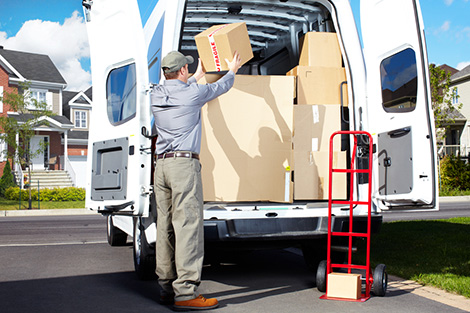
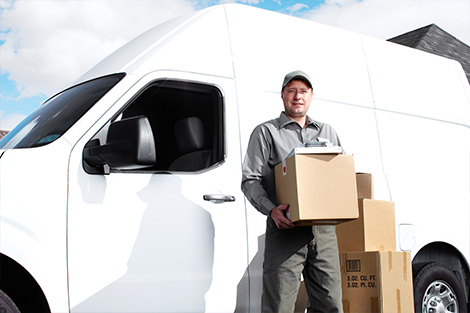
Ilford High Road moving guide for man with van jobs

If you are planning a move, a furniture drop-off, or a same-day collection along Ilford High Road, a man with van service can be the simplest way to keep things moving without turning the day into a logistical headache. The street is busy, parking can be awkward, and timings matter more than people expect. This Ilford High Road moving guide for man with van jobs breaks the process down in plain English so you can plan properly, avoid the common snags, and choose the right service for your load.
Whether you are shifting a few boxes, a sofa, a washing machine, or the contents of a small flat, the goal is the same: get everything moved safely, on time, and without surprise costs. Sounds straightforward. In real life, of course, there are a few moving parts.
This guide explains how man with van jobs typically work on Ilford High Road, when they make sense, how to prepare, what to ask before booking, and which extra services can save you time if your move includes disposal, recycling, or specialist handling.
Why Ilford High Road moving guide for man with van jobs Matters
Ilford High Road is one of those places where moving can look easy on paper and then become a bit fiddly at the kerbside. You have traffic, stop-start loading, pedestrians, side streets, and the usual London pressure of trying to do everything in a small window of time. That is exactly why a local man with van service can be a good fit.
This kind of move matters because the difference between a smooth job and a stressful one is often planning, not brute force. A good route, the right size van, and a sensible loading order can save you money and reduce delays. If you are moving from or to a flat above a shop, a shared house, a small office, or a storage unit, that local knowledge becomes even more valuable.
There is also a practical reality many people only notice on moving day: not everything is staying with you. A move often includes old appliances, broken furniture, shredded paperwork, or bulky items that are better disposed of properly. If that sounds familiar, services like fridge and appliance removal or mattress and sofa disposal can make the day feel much less chaotic.
A local move is rarely just a lift-and-drive job. It is a timing job, a space job, and sometimes a "what on earth do we do with this old thing?" job too.
How Ilford High Road moving guide for man with van jobs Works
In practical terms, a man with van job is usually a smaller-scale moving service using one driver and, in some cases, an additional helper. The job might involve collection, transport, loading, unloading, and sometimes disposal or delivery to multiple stops. It suits loads that do not justify a full removal lorry, but still need care and muscle.
On Ilford High Road, the service often works best when the customer provides clear information in advance. That usually means the pickup and drop-off addresses, the number of floors, whether there is a lift, what kind of items are being moved, and whether parking is available close to the property. The more detail you give, the less room there is for awkward surprises. To be fair, this is where many people underestimate the job.
Some moves are straightforward: a couple of suitcases, a bed frame, and a few boxes. Others are a bit more layered, with mixed items that need separating. If the job includes paperwork or business documents, confidential disposal may be helpful, and confidential shredding is worth considering before the van even arrives.
There is also the question of security and payment. A reputable provider should be clear about booking steps, accepted payment methods, and what happens if plans change. You can usually check that sort of detail through a service's payment and security information and its online booking page.
Key Benefits and Practical Advantages
The biggest advantage of a man with van service is flexibility. You are not booking more vehicle than you need, and you are not paying for a huge operation when the job is really a compact one. That makes sense for students, renters, landlords, small businesses, and anyone handling a one-off collection or delivery.
Another clear benefit is speed. Because the job is smaller and more direct, the turnaround can be much faster than organising a full removals crew. If you have a same-day collection, a quick flat move, or a few bulky pieces to relocate, that responsiveness can be a lifesaver.
There is also a practical benefit people often overlook: easier access. A van is far more manageable on tighter residential streets and mixed-use roads than a large lorry. On a busy stretch like Ilford High Road, that can make a real difference when the driver needs to load safely without blocking everything in sight.
And then there is the flexibility around mixed jobs. Many customers need more than just transport. They need old items removed, waste separated, or new furniture delivered and assembly left for later. If you are trying to reduce clutter at the same time as moving, it can be useful to look at services that align with recycling and disposal, such as recycling and sustainability.
- Good for small to medium moves
- Useful for short-notice collection and delivery
- Often more affordable than larger removal teams for light loads
- Helpful when access is tight or parking is limited
- Flexible for mixed jobs with disposal or recycling needs
Who This Is For and When It Makes Sense
This kind of service suits a wide range of people, but it is especially useful if your move falls into that awkward middle ground: too much for a car, not enough for a full-scale removals company. You know the type of job. A bit too bulky, a bit too urgent, and somehow involving a lamp that never seems to fit anywhere.
Typical users include:
- Tenants moving between flats or shared houses
- Students relocating to or from accommodation
- Small businesses sending stock, fixtures, or office items
- Landlords clearing between tenancies
- People buying or selling second-hand furniture
- Households removing bulky waste at the same time as moving
It makes sense when the job is local, time-sensitive, or awkward enough that you would rather not do it yourself. It also makes sense when you want a single provider to handle moving and disposal together. A good example is a move from a first-floor flat with an old sofa, a fridge that has seen better days, and several boxes of things you no longer want. In that case, combining transport with hazardous waste disposal or appliance removal can keep the day tidy and efficient.
If the job includes an awkward mattress or a worn-out sofa that is not worth keeping, the separate collection and disposal service can be much easier than trying to squeeze everything into one van run. Honestly, that is where a lot of people breathe a bit easier.
Step-by-Step Guidance
The easiest way to make a move go well is to treat it like a small project, not a last-minute sprint. Here is a simple process that works well for Ilford High Road moving jobs.
- List everything you need to move. Include furniture, boxes, appliances, and anything going to disposal.
- Measure larger items. A sofa that looks manageable in the living room can become a problem at the stairwell. It happens more than you would think.
- Check access at both addresses. Note stairs, lifts, narrow hallways, door widths, and parking restrictions.
- Decide what is moving and what is leaving. This is the point where old furniture, unused electronics, and paperwork should be separated.
- Request a quote with full details. Clear information usually means a more accurate price and a smoother booking.
- Pack in a loading-friendly way. Heavier items go first, fragile items stay protected, and loose pieces should be bagged or boxed.
- Keep the route clear on the day. Move hall clutter, hold a parking space if permitted, and keep keys handy.
- Confirm disposal needs before arrival. If you need appliance removal, sofa disposal, or shredding, mention it in advance.
A small but useful tip: if you are moving from a busy property, try to finish packing the night before. The last 20 minutes on the day always feel shorter than they should. Always. A kettle, a bit of tape, and one missing box can somehow turn into a mini drama.
If you want to get the booking side out of the way quickly, start with a transparent pricing and quotes page, then move on to the actual reservation. That sequence tends to save back-and-forth messages.
Expert Tips for Better Results
Good moving jobs usually come down to simple habits done properly. Nothing fancy, just the stuff that prevents avoidable stress.
1. Give honest volume estimates
Underestimating the amount of stuff is one of the easiest ways to create delays. If you are unsure, err on the side of a larger van or allow more time. It is usually cheaper than having to rebook halfway through.
2. Separate keep, move, and dispose piles early
Do not leave this decision until the van is already outside. Once the job starts, decisions become rushed. That is when items accidentally get loaded that should have been recycled or thrown away.
3. Protect the awkward items first
Mattresses, mirrors, washing machines, and glass tables need a little more care. Wrap corners, secure loose parts, and make sure nothing can slide around in transit.
4. Think about the building, not just the load
Ground-floor access is easy, but plenty of Ilford properties are not ground-floor. A narrow stairwell, a shared hallway, or a poor parking spot can add time quickly. That does not mean the job is impossible. It just means the plan needs to be realistic.
5. Choose services that match the load
If your job includes bulky waste, check whether the provider can handle it properly. A page like what can go in a skip can be a useful reference point even if you are not hiring a skip directly, because it helps you think clearly about which items need special handling.
The best moving day is the one where nobody has to improvise too much.
Common Mistakes to Avoid
Most moving headaches are predictable. That is actually good news, because predictable problems are easier to prevent.
- Booking too late. Last-minute jobs can still be possible, but choice is limited and timing gets tighter.
- Ignoring parking restrictions. On a road like Ilford High Road, loading space matters. If the van has nowhere to stop, the job slows down.
- Not mentioning stairs or heavy items. A quote based on "a few bits" is not much use if there is a fridge, a wardrobe, and a chest freezer involved.
- Mixing move items with waste. That makes unloading messy and can create confusion about what is being kept.
- Forgetting specialist disposal needs. Certain items should not be treated like ordinary furniture. Appliances and some waste types need proper handling.
- Not checking insurance and safety information. It is sensible to know how items are protected during transit.
If a provider is clear about its insurance and safety approach, that is a reassuring sign. It is not glamorous, but it matters.
One more thing: if you have a complaint or a delivery issue, the process should be clear and fair. Good operators usually have a proper complaints procedure. You hope never to need it, of course, but it is good to know it exists.
Tools, Resources and Recommendations
You do not need a warehouse of gear to prepare for a local move, but a few basics make everything easier.
- Strong boxes and tape: Use decent cartons, not weak supermarket leftovers that buckle when lifted.
- Protective wrapping: Bubble wrap, blankets, or stretch wrap help with fragile and awkward items.
- Marker pens and labels: Label rooms and priority boxes clearly. Future-you will be grateful.
- Basic tools: Screwdrivers, Allen keys, and pliers are handy for dismantling furniture.
- Rubbish bags: Great for soft items, bedding, and loose bits that would otherwise roll around.
- Phone photos: Take pictures of cable setups and item condition before loading, especially for furniture or appliances.
For environmentally aware customers, choose providers who talk plainly about reuse and recycling. If the move includes items that can be repurposed or responsibly processed, a sustainability-minded operator can make the whole thing feel less wasteful. You can usually get a sense of that from pages like recycling and sustainability.
If you need to arrange the move quickly, a direct online booking route is usually the fastest way to secure a slot. It also reduces the chance of details getting lost in a long message thread. A surprisingly useful thing, that.
Law, Compliance, Standards, or Best Practice
For a local move, the main compliance concerns tend to be practical rather than complicated. The key points are safe lifting, safe transport, responsible waste handling, and clear communication about what is being moved.
In the UK, anyone handling waste or transporting unwanted items should be careful about responsible disposal and duty of care. You do not need to become a legal expert to book a service, but you should expect sensible handling of bulky waste, electrical items, and anything that may need specialist disposal. If a company offers hazardous waste collection, that should be clearly separated from ordinary household waste and handled according to the relevant rules and operational controls.
Best practice also means:
- using suitable lifting methods and enough manpower for heavier pieces
- securing loads so nothing shifts in transit
- separating recyclable items where appropriate
- protecting walls, floors, and door frames during loading
- being honest about access limitations and item condition
A responsible provider should also be clear about policies that support safe and fair service delivery. You can often learn a lot from a company's health and safety policy, especially if you are moving heavier items or awkward furniture.
If accessibility is part of your concern, for example if you need a simpler booking process or specific support when arranging a move, it is worth checking the company's accessibility statement. Good service should feel usable, not confusing.
Options, Methods, or Comparison Table
Choosing the right moving method depends on what you are moving, how far, and how quickly you need it done. Here is a simple comparison that helps many people decide.
| Option | Best for | Strengths | Limitations |
|---|---|---|---|
| Man with van | Small to medium local moves, deliveries, collections | Flexible, quicker to arrange, often more cost-effective for lighter loads | Less suitable for very large house moves |
| Full removals team | Larger house moves, multi-room relocations | More manpower, better for heavy or extensive moves | Usually more expensive for smaller jobs |
| Self-drive van hire | People confident loading and driving larger vehicles | Can be useful if you want full control | Requires driving, parking, loading, and unloading all on you |
| Courier or parcel service | Single boxed items or compact deliveries | Handy for small goods | Not suitable for furniture or bulky household items |
For many Ilford High Road jobs, the man with van option sits in the sweet spot. Not too big, not too fussy, and usually flexible enough to handle mixed items. That balance is often what people need, truth be told.
Case Study or Real-World Example
Here is a realistic example based on the sort of job that comes up all the time in this area.
A tenant in a top-floor flat off Ilford High Road needs to move to a new place a few streets away. The move includes a double mattress, a small sofa, a desk, a TV unit, four boxes, and two bags of unwanted household bits. There is no lift, parking is tight, and the tenant has to hand the keys back by late afternoon.
The smart approach is to split the job before the van arrives:
- keep: boxes, desk, TV unit
- move and protect: mattress and sofa
- dispose: broken chair, old small appliances, and bagged clutter
Because the access is tight, the customer gives the provider advance notice of the stairs and parking conditions. The provider then brings the right help, allows enough time, and confirms in advance whether the old appliances need separate handling. If there is a fridge to remove, it can be handled through a dedicated appliance service instead of being left as an awkward afterthought.
The result? Fewer surprises, faster loading, and a cleaner handover. It is not dramatic. It is just sensible. And on moving day, sensible is excellent.
Practical Checklist
Use this checklist the day before and the morning of your move.
- Confirm the booking time and address details
- Check access at both ends, including stairs and lifts
- Reserve or note parking arrangements where possible
- Separate items to keep, move, recycle, or dispose of
- Pack fragile items with enough protection
- Label boxes by room or priority
- Disconnect appliances safely and dry them out if needed
- Keep essential documents, keys, and chargers with you
- Tell the provider about any heavy, awkward, or hazardous items
- Check payment, quote, and cancellation details before the day
Quick summary: The best Ilford High Road moving jobs are usually the ones planned with honest item lists, realistic access details, and a clear split between move items and disposal items. That is the simple trick.
Conclusion
Hiring a man with van service for a move on Ilford High Road is often the most practical way to handle a small or medium job without overcomplicating things. It gives you flexibility, local knowledge, and a simpler way to manage transport, collection, and disposal in one go. When the booking is clear and the preparation is done properly, the whole experience feels far less rushed.
The biggest wins usually come from the basics: accurate item lists, honest access information, and a sensible plan for anything you no longer want. If your move includes bulky furniture, an appliance, or confidential paperwork, it is worth using the relevant specialist service rather than trying to force everything into one generic move. That little bit of care goes a long way.
If you are ready to make the job easier, start by checking service details, booking options, and pricing, then line up the move in a way that suits your schedule. Simple, clear, done. And that is a nice feeling, really.
Get a free quote today and see how much you can save.
Frequently Asked Questions
What is a man with van service for Ilford High Road moves?
It is a flexible moving service that usually covers smaller home moves, collections, deliveries, and light removals using a van and one or more helpers. It suits jobs that do not need a full removals team.
How far in advance should I book a man with van job?
As early as possible if you have a fixed moving date. Short-notice bookings are sometimes available, but planning ahead gives you more choice and reduces stress.
Can a man with van service handle furniture and appliances?
Yes, often it can. Larger furniture and appliances are common, but you should always tell the provider exactly what you have so they can plan safe loading and the right vehicle space.
What if I also need old items taken away?
That is very common. You can often combine the move with disposal or recycling, including services for sofas, mattresses, appliances, or mixed household waste.
Is it cheaper than hiring a full removals company?
For smaller loads, it often is. The best value depends on the amount of stuff, how much help you need, and whether there are extra tasks like dismantling or disposal.
Do I need to pack everything before the van arrives?
Ideally, yes. If boxes and loose items are already prepared, the job usually runs faster and more smoothly. It also reduces the chance of anything getting left behind.
What should I tell the driver before the move?
Share the pickup and drop-off addresses, any parking issues, stairs or lift access, the size of large items, and whether you need disposal or special handling. Clear details make a big difference.
Can I book a move online?
Many customers prefer that, yes. Online booking is usually the quickest way to confirm details and secure a slot, especially for smaller local jobs.
What happens if an item is too heavy or awkward?
A sensible provider should flag that early and adjust the plan. That may mean using more manpower, bringing the right equipment, or separating the item for specialist removal.
Are my items insured during transport?
You should check the provider's insurance and safety information before booking. Coverage can vary, so it is best to confirm what is included rather than assuming.
What kind of waste should not go in a regular move?
Hazardous or specialist waste should not be mixed in casually with ordinary household items. If you are unsure, ask first. A proper hazardous waste service is the safer route.
Can this service help with office or business moves too?
Yes, especially for small offices, stock transfers, archived paperwork, and lightweight equipment. If confidential documents are involved, shredding services can be useful as part of the wider move.
How do I know if a man with van job is the right choice?
If your move is local, fairly small, time-sensitive, or includes a mix of items and disposal, it is often a very good fit. If you are moving a whole large house, a larger removals team may be more suitable.
What is the easiest way to get an accurate quote?
Give honest details about the load, access, stairs, parking, and any extra services needed. The more complete the information, the more accurate the quote is likely to be.