IG1 Flat Move Guide Man with Van on Narrow Streets
If you are planning an IG1 flat move guide man with van on narrow streets, you already know the tricky bit is not always the lifting. It is the access. Tight turns, parked cars, terrace rows, awkward loading points, and the simple reality that some Ilford streets were never designed with today's moving vans in mind. That is where a man with van service can make a move feel manageable rather than chaotic.
This guide walks through how to plan, what to expect, and how to avoid the little mistakes that cause big delays. Whether you are moving from a compact flat, a top-floor apartment, or a place with barely enough room to swing a bag, you will find practical advice here. And yes, a few things are easier if someone has done this hundreds of times before.
- Why this kind of move matters in IG1
- How a man with van move works on narrow streets
- Key benefits and practical advantages
- Who this is for and when it makes sense
- Step-by-step guidance
- Expert tips for better results
- Common mistakes to avoid
- Tools, resources and recommendations
- Law, compliance, standards and best practice
- Options, methods and comparison table
- Case study or real-world example
- Practical checklist
- Frequently asked questions
Why IG1 flat move guide man with van on narrow streets Matters
Moving in IG1 can look straightforward on paper. In real life, it often is not. Narrow streets, shared courtyards, limited parking, and busy residential areas can slow a move down before the first box is even picked up. A man with van setup is often a better fit than a larger removals lorry because it is more flexible, easier to position, and usually less intimidating for tight access.
That flexibility matters for flat moves. Many IG1 properties sit on roads where one bad parking decision can block a neighbour, a bus route, or your own loading space. A smaller vehicle is easier to place without causing a headache for everyone else. To be fair, that alone can save the whole day from turning into a long, awkward shuffle.
It also matters because flat moves often involve stairs, communal entrances, timed access, and careful handling of furniture through small doorways. The van is only one part of the story. The planning around it is what makes the move smooth.
Key point: narrow streets do not just affect parking; they affect timing, crew size, walking distance, item handling, and how quickly your move can be completed.
How IG1 flat move guide man with van on narrow streets Works
A man with van service for a narrow-street flat move usually works in a simple, practical sequence. First, the move is scoped: what is being moved, from where, to where, and what kind of access exists at both ends. Then the van size, loading method, and arrival time are matched to the property layout.
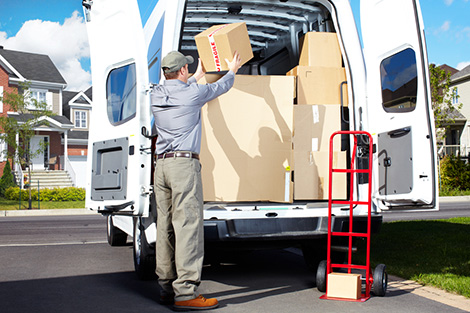
On streets with limited access, the driver may park as close as legally and safely possible, then use trolleys, straps, dollies, and careful manual handling to bridge the gap between the flat and the vehicle. If there is no practical loading bay, the team may need to work around traffic flow, neighbours, or a tight turning circle. It is a bit of a dance, really.
The actual move often follows this pattern:
- Confirm property access and item list.
- Plan vehicle arrival for a quieter time if possible.
- Protect fragile items and package loose contents.
- Carry out a fast but controlled load sequence, usually large items first.
- Check the flat, cupboards, and storage spaces before departure.
- Unload at the new address with the same careful order.
If you are also clearing unwanted items at the same time, it can help to review recycling and sustainability options and, where relevant, the page on what can go in a skip. Not every move is just a move; sometimes it is a move plus a clear-out plus a small life reset. Happens all the time.
Key Benefits and Practical Advantages
The biggest advantage of a man with van service for IG1 flats is adaptability. A larger vehicle might be overkill, while a smaller, experienced setup can often get the job done with less fuss.
- Easier access on narrow roads: smaller vans are generally simpler to place and manoeuvre.
- Less disruption: quicker loading can mean less time blocking entrances or nearby parking.
- Good for smaller household moves: ideal for studio flats, one-bed flats, and partial moves.
- More personal service: you are often dealing with a focused team, not a huge operation with too many moving parts.
- Better for odd-shaped items: sofas, appliances, desks, and beds can be handled one by one.
- Useful for short-notice jobs: smaller moves are often easier to schedule quickly.
There is also a calmer side to it. When access is tight, a crew that already expects the challenge tends to stay more measured. That may sound simple, but it matters. Nobody wants a move where everyone is rushing, apologising, and trying to reverse a van three times in a row.
| Feature | Man with van | Large removals lorry |
|---|---|---|
| Best for narrow streets | Usually stronger fit | Can be awkward or impossible |
| Ideal move size | Small to medium flats, single loads, mixed items | Full house moves with lots of volume |
| Parking flexibility | Higher | Lower |
| Speed of setup | Often quicker | May need more clearance and planning |
| Cost structure | Often more efficient for smaller jobs | Can be less cost-effective for compact moves |
Who This Is For and When It Makes Sense
This kind of move makes sense for people who want a practical, access-friendly solution rather than a big, formal removals setup. If your flat is in IG1 and the street outside is tight, busy, or lined with parked cars, a man with van option often fits the reality better than the theory.
It is especially useful for:
- tenants moving into or out of a flat
- students or young professionals with fewer belongings
- couples shifting from one apartment to another
- households moving selected furniture, not a full property
- people combining moving with disposal of unwanted items
- landlords and letting agents arranging quick turnarounds
It also makes sense if your building has narrow stairs, a small lift, or a communal entrance that gets busy at peak times. The more awkward the access, the more you benefit from a team that is used to improvising safely. Not carelessly. There is a difference.
If you want to understand the business behind the service before booking, the about us page can help you get a feel for the company approach, while insurance and safety explains the kind of reassurance you should expect from a professional operator.
Step-by-Step Guidance
Here is a practical way to handle a flat move on a narrow street without making it harder than it needs to be.
- Measure the awkward bits first. Door widths, stair landings, lift size, and the length of any hallway matter more than people think.
- List your furniture honestly. The difference between "a few bits" and "one sofa, one wardrobe, two beds, and eight boxes" is huge.
- Check where the van can stop. Look for yellow lines, resident permit areas, and any obvious pinch points outside your building.
- Book at a realistic time. Early morning or mid-morning often works better than a peak rush hour slot.
- Pack for speed and protection. Use sturdy boxes, label anything fragile, and keep essentials separate.
- Keep the route clear. Hallways, front doors, and staircases should be as uncluttered as possible.
- Stay reachable on the day. Sometimes the van arrives, and the last thing needed is a 10-minute hunt for keys. Bit annoying, honestly.
A useful tip: if you have items that do not need to travel, sort them before move day. A better move is usually a lighter move. It sounds obvious, but after an hour of carrying boxes up and down stairs, obvious things become very welcome.
For items you do not want to take with you, a separate disposal plan can help. Pages like mattress and sofa disposal and fridge and appliance removal are useful if bulky pieces are being left behind rather than moved.
Expert Tips for Better Results
Small details make a big difference on narrow streets. In our experience, the moves that go best are the ones where someone has already thought through the boring bits. That is usually where the time savings come from.
- Pre-stage boxes near the exit: this reduces repeated trips through the flat.
- Group heavy items logically: keep heavy, stable pieces together so loading is smoother.
- Protect corners and surfaces: old stairwells, fresh paint, and tight door frames do not mix well.
- Use soft storage for loose items: bags and bins are quicker to move than a dozen small open objects.
- Leave a clear walking lane: even an extra 30 centimetres can make a hallway feel much more workable.
- Plan for weather: rain, drizzle, and slippery steps are very real in London, and they can slow everything down.
Another small but valuable point: tell the mover about anything awkward, even if it feels minor. A heavy mirror, a glass coffee table, or a sofa with a fixed corner section can change the load plan completely. Better to say it up front than discover it at the front door with a little sigh and a lot of repositioning.
If your move includes waste or items that need responsible handling, the company's hazardous waste disposal and confidential shredding information may also be useful, depending on what you are clearing.
Common Mistakes to Avoid
Most problems with flat moves on narrow streets are not dramatic. They are just slightly wrong assumptions that snowball. A van that is too large, boxes that are too loose, a staircase that was not mentioned, a loading spot that turns out not to be usable... and suddenly the day feels longer than it should.
- Underestimating access: "It should be fine" is not a plan.
- Booking without item details: the mover cannot guess the volume perfectly, and they should not have to.
- Leaving packing until the last minute: rushed packing often leads to damage.
- Forgetting parking realities: narrow residential streets can be tight even at quiet times.
- Not measuring large furniture: some items simply will not turn the corner without a better strategy.
- Ignoring disposal needs: if you have junk, old furniture, or broken appliances, sort that separately.
There is also a trust issue people overlook. If a provider cannot explain how they handle access, timing, insurance, or safety, that is worth pausing over. You do not need drama on moving day. You need clarity. Plain and simple.
Tools, Resources and Recommendations
You do not need a van full of gadgets, but a few basic tools and preparations make the whole move more controlled.
- Sturdy packing boxes: better than overfilled supermarket boxes that buckle at the bottom.
- Strong tape and labels: one for sealing, one for identifying contents.
- Furniture blankets and straps: useful for protecting finishes and securing loads.
- Small trolley or dolly: especially helpful when the walk from flat to van is longer than expected.
- Bin bags and tie wraps: good for soft items, bedding, and last-minute loose bits.
- Phone flashlight: handy for dark stairwells, basement entrances, or early starts.
For practical planning, pricing and quotes is worth checking so you can understand how the job may be assessed. If you are ready to arrange the move, book online gives you a direct next step without a lot of back-and-forth.
If your move is part of a bigger clear-out, you may also want to read about recycling and sustainability. It is a sensible reminder that not every unwanted item needs to end up in the same place.
Law, Compliance, Standards, or Best Practice
For a flat move in the UK, especially in a built-up area like IG1, the key compliance issues are usually practical rather than dramatic. A professional mover should work safely, protect your property, and avoid creating risk for pedestrians, neighbours, or road users. That means sensible loading, legal parking, proper lifting technique, and careful handling of bulky items.
There can also be waste-related responsibilities if your move includes discarded furniture, electrical items, or mixed rubbish. In practice, this means checking what can be taken, what needs special handling, and what should not be loaded casually into a vehicle. For clarity, the page on what can go in a skip can be a helpful reference point even if you are not using a skip directly.
Best practice also means transparency. A reputable service should be clear about terms, payment, and safety. If you want to review those details, the company's terms and conditions, payment and security, and health and safety policy pages are sensible places to look.
One more thing: if access is especially tight, the safest move is the one that takes a bit longer but avoids damage. That is the professional standard, really. Fast is good. Safe is better.
Options, Methods, or Comparison Table
Not every flat move needs the same approach. The right option depends on volume, access, time pressure, and how much you are moving yourself.
| Method | Best For | Strengths | Trade-offs |
|---|---|---|---|
| Man with van | Small to medium flats, tight streets, short and medium moves | Flexible, quick to position, usually cost-efficient for compact loads | Less suitable for very large households |
| DIY van hire | People who want to handle everything themselves | Direct control over packing and schedule | More physical work, more stress, more chance of mishandling |
| Full removals crew | Large homes, many items, more complex relocations | More labour on site, good for big moves | Can be less agile on narrow roads and may be more than you need |
| Partial move or single-item collection | Sofas, appliances, a few boxes, or one room | Very practical for small jobs and awkward items | Not ideal if you need everything moved at once |
For many IG1 flats, the best answer is a hybrid mindset: move what matters, dispose of what does not, and keep the schedule realistic. That tends to be the least stressful option, even if it sounds a bit unglamorous.
Case Study or Real-World Example
Here is a realistic scenario. A one-bedroom flat in IG1 needs to be cleared on a weekday morning. The road outside is narrow, there are cars parked on both sides, and the building has a shared entrance with a short flight of stairs. The customer has a bed frame, mattress, two shelving units, a small sofa, kitchen boxes, and a few items to dispose of.
A smaller van is chosen rather than a larger vehicle. The mover arrives at an off-peak time, identifies a safer loading point a short walk away, and uses a simple loading order: fragile boxes first, then furniture, then loose items and disposal items. The mattress and sofa are separated from the items being kept, which avoids mixing up destinations. No shouting. No last-minute backtracking. Just steady work.
The result is not flashy, but it is exactly what the customer needed: the move stays controlled, the street is not blocked for long, and the items arrive without unnecessary damage. Truth be told, that is what most people want from a flat move. Peace. Not theatre.
If you are still deciding how much support you need, the page on contact us is useful for asking specific questions about your access, timing, and item list before you book.
Practical Checklist
Use this simple checklist before move day. It keeps things organised without turning your life into a spreadsheet.
- Measure doorways, stairs, and the lift, if there is one.
- Count the main furniture items and number of boxes.
- Confirm whether the street outside allows practical van stopping.
- Set aside items that are not going with you.
- Pack fragile items with enough cushioning.
- Label rooms or priority boxes clearly.
- Keep keys, phone, and documents in one easy-to-reach place.
- Clear hallways, landings, and doorways.
- Let the mover know about awkward furniture or access issues.
- Check whether you need disposal, recycling, or specialist handling.
- Review booking, payment, and terms before the day.
- Have water, chargers, and a basic essentials bag ready.
Practical summary: the smoother your access plan, the less stressful your flat move becomes. Narrow streets are not a deal-breaker. They are just something to plan around properly.
Conclusion
An IG1 flat move guide man with van on narrow streets is really about matching the job to the environment. Tight streets call for flexibility, planning, and a calm approach. A man with van service is often the right fit because it gives you the manoeuvrability of a smaller vehicle with the hands-on support needed for stairs, awkward entrances, and compact loading areas.
If you prepare well, measure honestly, and choose a provider that understands access challenges, the whole day becomes more manageable. Not perfect. Just better. And sometimes better is exactly what you need when you are moving house, juggling keys, boxes, and a half-open biscuit packet somewhere in the kitchen.
For a service overview, company details, and the next steps, you can also explore about us, pricing and quotes, and book online. If you have questions before booking, the team can be reached through the site contact page.
Get a free quote today and see how much you can save.
Frequently Asked Questions
Is a man with van suitable for a flat move on a narrow IG1 street?
Yes, often it is one of the best options. Smaller vans are easier to position on tight roads, and the service is usually more flexible for flat moves with limited access.
How do I know if the van can actually get near my building?
Check the width of the street, any parked-car pinch points, and whether your entrance is on a bend or beside a junction. If you are unsure, share the address details and photos with the mover before booking.
What if my flat is on an upper floor with no lift?
That is common, and it usually just means the move needs a bit more time and care. The key is to mention stairs in advance so the job can be planned properly.
Can a man with van move large furniture through narrow hallways?
Sometimes yes, but it depends on the furniture and the layout. Sofas, wardrobes, and beds may need to be angled carefully or partially dismantled. Measuring helps a lot.
Should I book a larger van just to be safe?
Not always. A larger van is not automatically better if the street is tight. The right vehicle is the one that fits the access and the amount of stuff you are moving.
How far in advance should I book a flat move in IG1?
As early as you can, especially if you have a specific day or time in mind. Short-notice bookings can still work, but planning ahead usually gives you more choice.
What should I pack separately for move day?
Keep essentials such as keys, medication, chargers, important documents, and basic toiletries separate. It saves time and prevents that unpleasant "where did we put the kettle?" moment later on.
Can I include items I want to throw away?
Yes, if the provider offers disposal support and the items are acceptable for collection. Bulky items, old mattresses, and some appliances may need separate handling depending on condition and type.
Is there anything I should not ask the mover to carry casually?
Yes. Hazardous items, unsafe loads, and anything that needs special handling should be disclosed clearly. Do not leave it to guesswork; that is where problems start.
Will moving on a narrow street take longer?
It can, especially if parking is limited or the walking distance from van to flat is longer than expected. A good team will factor that into the plan rather than rushing blindly.
How can I reduce the cost of a small flat move?
Reduce volume, pack early, disassemble what you can, and make access as easy as possible. Clear information also helps quotes stay accurate, which is good for everyone.
What should I do if I have a complaint about the service?
Use the provider's complaints route and keep a note of the issue, timing, and photos if relevant. A clear complaints process is a good sign, not a bad one.
Where can I check privacy, payment, and service terms before booking?
You can review the relevant pages on privacy, payment, terms, and policy information before you commit. That is a sensible final step, especially if the move includes valuables or specific access requirements.