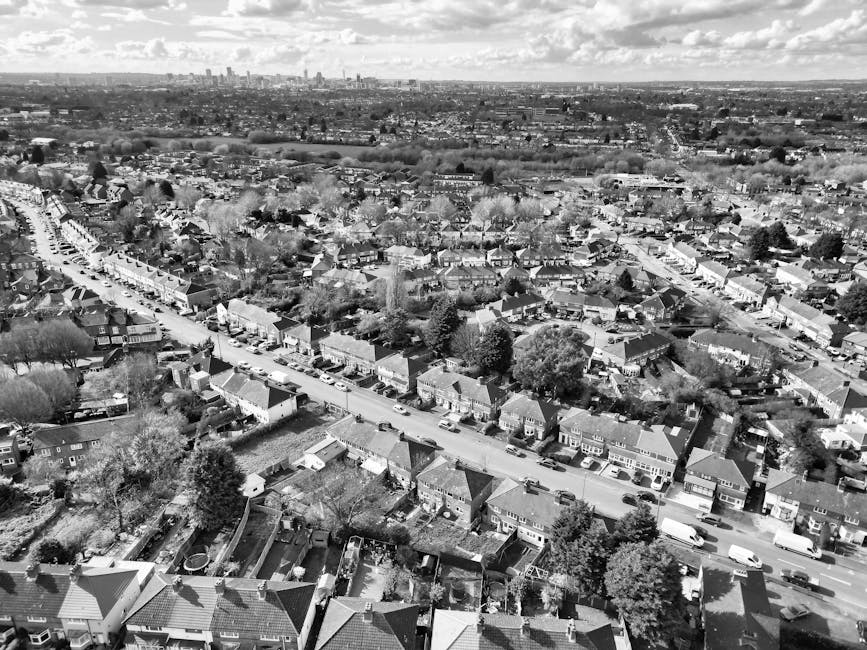
Common access problems for Ilford removals crews
Moving day can be straightforward right up until the van turns into the street and somebody realises the lift is tiny, the parking is gone, or the front gate barely opens. That's the reality behind common access problems for Ilford removals crews: the move itself may be well planned, but the route from the property to the vehicle is where things often slow down. In Ilford, with its mix of terraced homes, mansion blocks, busy high streets and tighter residential roads, access issues are a normal part of the job. Not ideal, but normal.
This guide breaks down the practical problems crews run into, why they matter, how professionals work around them, and what you can do before moving day to avoid delays, damage, and a fair bit of unnecessary stress. If you're comparing moving options, you may also find it useful to look at home moving support, man and van services, or packing and unpacking help alongside your access plan.
Table of Contents
- Why access problems matter on removal day
- How removals crews handle access issues
- Why planning access properly pays off
- Who needs to think about access
- Step-by-step guide to preparing access
- Expert tips that make the day smoother
- Mistakes that cause the most trouble
- Useful tools, checks and recommendations
- Safety, compliance and best practice
- Access methods compared
- Real-world example
- Practical checklist
- Conclusion
- Frequently asked questions
Why Common access problems for Ilford removals crews Matters
Access is not a side issue. It is often the difference between a move that feels organised and a move that quickly becomes messy. A crew can only work as fast as the environment allows, and in removals the environment includes stairs, parking, road width, lift size, door clearances, and the distance from the property to the vehicle. If one of those factors is awkward, the whole schedule can shift.
For Ilford properties, a few patterns show up again and again. You get narrow side passages, shared entrances, permit-heavy roads, flats with strict lift booking windows, and properties where the front door opens onto a cramped pavement. Add a rainy morning and a bit of London traffic, and suddenly even a simple sofa has to take the scenic route. To be fair, that happens more often than people expect.
Why does it matter so much? Because poor access can lead to:
- longer loading times
- extra labour on the day
- avoidable damage to walls, floors, doors, or furniture
- blocked neighbours' driveways or shared entrances
- stress for you, your family, or your staff
- missed time slots if a building or estate has strict rules
It also affects the kind of service you need. A standard domestic move may work well with a smaller vehicle such as a man with van service, while a larger house, office, or mixed-load move may call for a bigger vehicle or even removal truck hire. The right plan starts with access, not with boxes.
How Common access problems for Ilford removals crews Works
In practice, removal crews deal with access problems in three stages: before arrival, at the property, and during loading or unloading. The most useful information is usually the simplest. For example: Is there parking within a sensible distance? Is there a lift? Are there steps at the entrance? Can a large vehicle turn around nearby? Does the building require advance booking?
Experienced crews tend to ask very specific questions, because vague answers are not very helpful. "Yes, there's parking" can mean a bay outside the door, or it can mean a space around the corner that is always full by 8:30 a.m. That difference matters a lot. Small detail, big difference.
Typical access planning includes:
- Reviewing the property type and route from the door to the vehicle.
- Checking whether parking restrictions, permits, or loading bays apply.
- Assessing stairs, lifts, corridors, shared entrances, or garden paths.
- Identifying bulky or awkward items that may need extra handling.
- Deciding whether extra crew, extra time, or a different vehicle is sensible.
For commercial jobs, the process can be more formal. Office relocations often involve access windows, reception desks, secure doors, and building managers who need notice. If that sounds familiar, the planning principles are the same, just with more people involved. You may want to compare options such as office relocation services or commercial moves if the move includes work equipment, filing, or multiple departments.
Truth be told, the crew's job becomes much easier when access details are accurate. It saves time, but it also reduces pressure. No one enjoys trying to angle a wardrobe through a hallway that was clearly designed before wardrobes existed.
Key Benefits and Practical Advantages
Planning for access problems sounds like admin. It is admin, yes, but the payoff is real. A good access plan protects time, money, furniture, and everyone's mood. That last one is underrated.
- Fewer delays: Crews can arrive prepared with the right vehicle, tools, and staffing.
- Less damage: Knowing where the tight corners and low ceilings are helps avoid scuffs and knocks.
- More accurate quotes: The clearer the access picture, the less likely you are to face unexpected complications later.
- Safer handling: Heavy lifting on stairs or across long distances increases strain and risk.
- Better coordination: Neighbours, building managers, and access times can be managed properly.
There is also a quieter benefit: confidence. When everyone knows how the move will happen, the whole day feels calmer. You will notice this especially on busy streets or in shared buildings, where even a small misunderstanding can cause a domino effect.
If you are still comparing service types, it can help to understand the role of different vehicle options. A smaller load might fit neatly into moving truck support, while larger or repeated trips can be handled more efficiently through truck hire for removals. Not every job needs the same setup, and that's fine.
Who This Is For and When It Makes Sense
This topic matters to far more people than just the person hiring the van. If you are moving house, relocating an office, clearing out a flat, or arranging furniture pickup, access is likely relevant. It can even affect one-item jobs. A heavy fridge at the top of a narrow stairwell is still a logistics problem, even if it is only one item.
You should pay close attention to access if you are:
- living in a flat, maisonette, or apartment block
- moving from or into a terraced house with limited frontage
- dealing with gated access, intercoms, or shared entrances
- booking a move on a street with parking restrictions
- handling office equipment, archive boxes, or IT hardware
- moving bulky items like wardrobes, appliances, sofas, or mattresses
This is also relevant if you are moving at a busy time of day. Early morning access can be easier in some places, while school-run traffic or lunchtime congestion can make even short trips slower. Small timing choices matter more than people think.
For customers who want extra hands with difficult rooms, awkward items, or a full packing handover, house removalists and packing and unpacking services can be helpful because they reduce the load at the points where access tends to be tightest.
Step-by-Step Guidance
Here is a practical way to prepare for access problems without overcomplicating things. Keep it simple, but be thorough.
- Walk the route from room to vehicle. Start at the item, not the front door. Look for stairs, narrow gaps, low lamps, loose rugs, or awkward turns.
- Measure the obvious trouble points. Door widths, stair landings, lift dimensions, and the height of any low overhangs are worth checking.
- Check parking early. If the van cannot get reasonably close, loading time rises quickly. On some roads, this is the whole game.
- Tell the crew about restrictions. Shared driveways, concierge rules, time-limited access, and building booking slots should be shared before move day.
- Identify fragile or oversized items. A glass table, American-style fridge, or king mattress may need a different route or extra padding.
- Clear the access path. Move shoes, bin bags, plant pots, pushchairs, and anything else that will get in the way. You'd be surprised how often a doorway is blocked by things nobody planned to move.
- Confirm arrival timing. If the building only allows loading at certain hours, make sure everyone is working from the same plan.
- Keep contact details close. If the crew has a question while on site, a quick answer can save 20 minutes of guesswork.
A tiny bit of preparation goes a long way. Even just taking photos of the entrance, stairs, parking area, and the narrowest hallway can be incredibly useful. It is the sort of detail you only forget once, then never again.
Expert Tips for Better Results
The best access fixes are usually practical, not dramatic. You do not need a perfect building. You need a realistic plan.
- Book the right size vehicle first. A slightly smaller vehicle with two trips can be better than a large vehicle that cannot reach the property.
- Ask about load-bearing issues in advance. Some floors and stairs are fine for normal use but not ideal for repeated heavy traffic. A careful crew will think about that.
- Protect both ends of the move. Access problems happen at collection and delivery. People often focus on only one side, which is a bit like checking only one shoe before a walk.
- Use temporary protection where needed. Floor runners, door guards, and blankets can prevent damage in tight hallways.
- Separate the awkward items. Keep items that need special handling together so they do not slow down the entire load.
- Plan for the weather. Wet steps, muddy paths, and slippery entrances create extra risk. London drizzle has a way of showing up uninvited.
If you are dealing with appliances or large disposal items as part of the move, it may be worth looking at specialist support such as fridge and appliance removal or mattress and sofa disposal. That can keep the moving route clearer and reduce the number of heavy lifts through tight access points.
Expert summary: The smartest access plan is not the one with the most detail. It is the one that identifies the real bottlenecks early, tells the crew the truth about them, and keeps the moving path as short and simple as possible.
Common Mistakes to Avoid
Most access problems are manageable. The trouble comes when they are discovered too late, or not mentioned clearly enough. A few mistakes crop up repeatedly.
- Assuming "street parking" means easy parking. In Ilford, that can be a gamble.
- Forgetting about lift size. A lift that fits people does not always fit furniture.
- Not telling the crew about access codes or keys. This one is frustratingly common.
- Leaving bulky items in the route. Hallways fill up quickly during a move.
- Ignoring side access. A back gate or service entrance might save a lot of time if it is usable.
- Booking a time slot without checking building rules. Some buildings are stricter than people expect.
One more: not asking questions because you think the issue is "probably fine". Probably fine is not a plan. Better to be direct and slightly over-cautious than to discover a locked gate, a dead intercom, or a van that simply cannot park where you hoped.
Tools, Resources and Recommendations
You do not need specialist equipment for every move, but a few simple tools and habits help a lot. Some are for the crew, some are for you, and some are just common sense dressed up as organisation.
- Measuring tape: Useful for doorways, lift openings, and furniture widths.
- Phone photos or short videos: Very handy for tight staircases, entrances, and parking layouts.
- Sticky notes or labels: These help keep priority items together and reduce back-and-forth through narrow routes.
- Protective covers and blankets: Good for protecting corners, banisters, and polished floors.
- Clear route mapping: Know exactly where things will go at both properties before moving starts.
It can also help to review a company's approach to health and safety, insurance and safety, and recycling and sustainability if you are moving out items you do not want to keep. Those pages give you a clearer sense of how responsibly the move is handled, which matters more than people realise.
For customers who want to understand how pricing can shift when access is awkward, a look at pricing and quotes is useful. Transparent quotes are easier to compare when access details are already known. No mystery fees, no awkward surprises. Well, fewer surprises, anyway.
Law, Compliance, Standards, or Best Practice
Access planning is not just about convenience. It also touches on safety and good practice. While the exact duties vary depending on the job, reputable removal crews are expected to work carefully, avoid preventable risks, and respect building rules, parking rules, and any site-specific instructions that apply.
In practical terms, that means a crew should consider:
- manual handling risks when moving heavy items through stairs or narrow spaces
- fire exits and shared escape routes
- floor and wall protection in communal areas
- building access times and noise sensitivity
- safe loading practices near roads, driveways, and pavements
If hazardous or unusual items are part of the job, they should be separated and handled appropriately. That is where services such as hazardous waste disposal or confidential shredding may be relevant. Not every move includes them, of course, but when they do, they need a proper plan.
Best practice is simple: be honest about the access, do not guess, and keep the work area as safe as possible for the crew, residents, neighbours, and anyone else passing through. If a building has a manager or concierge, let them know what is happening. That small bit of courtesy can save a lot of back-and-forth.
Options, Methods, or Comparison Table
Different access problems need different responses. Here is a straightforward comparison of the most common approaches.
| Access situation | Best practical approach | Why it works | Watch out for |
|---|---|---|---|
| Narrow staircase or small landing | Measure large items, protect corners, use extra handling time | Reduces damage and avoids forcing items through | Twisting furniture too sharply |
| No nearby parking | Book a smaller vehicle or allow longer loading time | Prevents rushed carrying over longer distances | Double parking, fines, or delays |
| Flat with lift access | Check lift size and booking rules before move day | Makes repeated trips faster and safer | Lift being out of service or too small |
| Shared entrance or gated access | Share codes, keys, and arrival times early | Prevents waiting at the door | Access codes changing on the day |
| Bulky appliances or sofas | Use item-specific handling, maybe specialist disposal support | Limits strain and protects the route | Doors, bends, and surface damage |
There is no single "best" method for every move. Sometimes the smartest choice is simply being honest about the constraints and allowing the crew to plan around them properly. Simple, but effective.
Case Study or Real-World Example
Imagine a two-bedroom flat in Ilford with a lift, but the lift is small and the loading bay is around the corner. On paper, that sounds manageable. In reality, the sofa is a tight fit in the lift, the wardrobe needs to go downstairs manually, and the only parking space near the entrance disappears by mid-morning.
The move goes more smoothly when the details are known in advance. The crew arrives ready with blankets, straps, and a plan for the awkward pieces. They start with the larger furniture while the access route is still clear, keep lighter boxes moving through the lift, and use the loading bay time efficiently. Nobody is standing around trying to figure out whether the wardrobe will fit at a weird angle. Everyone knows the plan.
That kind of preparation can also help on office moves. For example, if a small business is relocating desks, monitors, archive boxes, and a secure cabinet, access through reception and internal corridors matters just as much as the van itself. In those cases, the move may benefit from a more structured approach through commercial moves or dedicated office relocation services.
The useful lesson? Access problems are rarely catastrophic. They are just easier to handle when the crew is told the truth early enough to do something sensible with it.
Practical Checklist
Use this checklist before moving day. Keep it near your notes, or better still, on your phone.
- Have I checked parking directly outside both properties?
- Do I know whether there are height restrictions, bollards, gates, or narrow turns?
- Have I measured the largest furniture and appliance items?
- Do I know the lift size, stair count, and any booking rules?
- Have I told the crew about access codes, keys, and entry instructions?
- Are hallways, doorways, and entrances clear?
- Do I need special handling for fragile, heavy, or awkward items?
- Have I checked whether disposal items need separate arrangements?
- Have I shared any time limits imposed by the building or landlord?
- Is someone available by phone on the day in case plans change?
Quick takeaway: if you can picture the full path from room to van without guessing, you are already ahead of the game.
Get a free quote today and see how much you can save.
Conclusion
Common access problems for Ilford removals crews are usually not dramatic, just inconvenient. Narrow stairs, poor parking, small lifts, shared entrances, and awkward furniture are all part of the local moving picture. The good news is that most of these issues can be managed well if they are spotted early and described clearly.
When access is planned properly, the day tends to feel calmer, safer, and much more efficient. That is good for the crew, of course, but it is also good for you. Less waiting, less worrying, fewer surprises. And on a moving day, that counts for a lot.
If you are preparing a move right now, take a few minutes to walk the route, measure the trouble spots, and share the honest picture with your removal team. It's a small bit of effort that can make the whole thing feel far more under control. Sometimes the difference is just a doorway and a good plan.
Frequently Asked Questions
What are the most common access problems for removals in Ilford?
The most common issues are tight parking, narrow hallways, small lifts, stair-only access, gated entrances, and shared driveways. In some areas, the real problem is not the property itself but how close the van can safely get to it.
How do I know if my flat has difficult access?
If you need to carry furniture a long way from the road, if the lift is small, or if the route includes several tight turns, access is probably more difficult than average. Taking photos of the entrance and stairs usually makes this clearer very quickly.
Should I measure my furniture before booking a removal crew?
Yes, especially for large items like wardrobes, sofas, beds, and appliances. A few basic measurements can prevent a lot of guesswork on the day and help the crew decide whether extra handling or a different vehicle is needed.
What should I tell the removals crew before moving day?
Tell them about parking, lift size, stairs, gates, access codes, loading restrictions, and any oversized or fragile items. The more specific you are, the easier it is for them to prepare properly.
Can access problems affect the price of a move?
They can, because difficult access may mean extra time, more labour, or a different vehicle setup. That said, clear information usually leads to more accurate quotes and fewer surprises later.
Do removals crews handle stairs and no-lift buildings?
Yes, usually. Many crews handle stair-only access every week. The important thing is to be upfront so they can plan for the extra effort, especially if there are large or awkward items.
What if parking near my property is limited?
Share that early. The crew may plan a smaller vehicle, a different arrival time, or a loading strategy that keeps the move efficient. On busy Ilford streets, parking detail can make or break the timing.
Are access problems worse for office moves or house moves?
They can be different, rather than worse. Office moves often involve more rules, more people, and more coordination, while house moves often involve stairs, furniture, and parking issues. Both need a proper access plan.
What is the best way to prepare for a difficult entrance or hallway?
Clear the route completely, measure the tight spots, protect corners and floors if needed, and tell the crew where the bottlenecks are. A quick phone video can help too. Sometimes that saves more time than a long explanation.
Do I need specialist help for heavy appliances or big furniture?
If the item is bulky, heavy, or awkward to turn, specialist help is often the safer choice. Services such as appliance removal or sofa disposal can reduce the strain on tight access routes and help prevent damage.
How far in advance should I mention access issues?
As early as possible. Ideally, mention them when you request a quote or first discuss the move. That gives the team time to plan vehicle size, crew numbers, and timing without rushing.
What if the access situation changes on the day?
Call the crew as soon as you know. Maybe a gate is locked, a space is gone, or the lift has failed. These things happen. The sooner the crew knows, the faster they can adjust the plan and keep things moving.